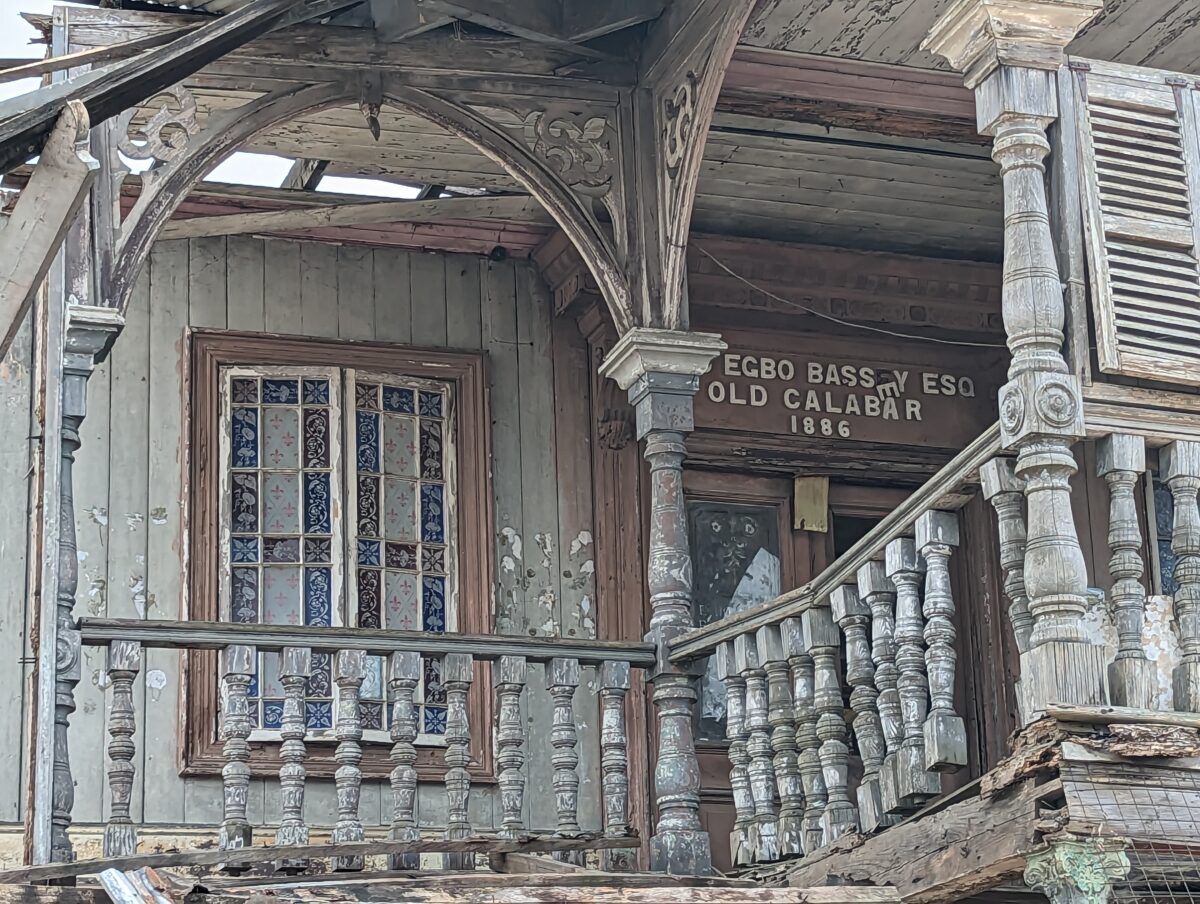
A Preliminary Walkthrough of The Premier Building at Hope Waddell Training Institute – A Structurally Distorted Wooden Prefabricated Building
June 6, 2021
Building a Legacy of Unity, Love, Peace, and Sustainability in Abuja
January 28, 2025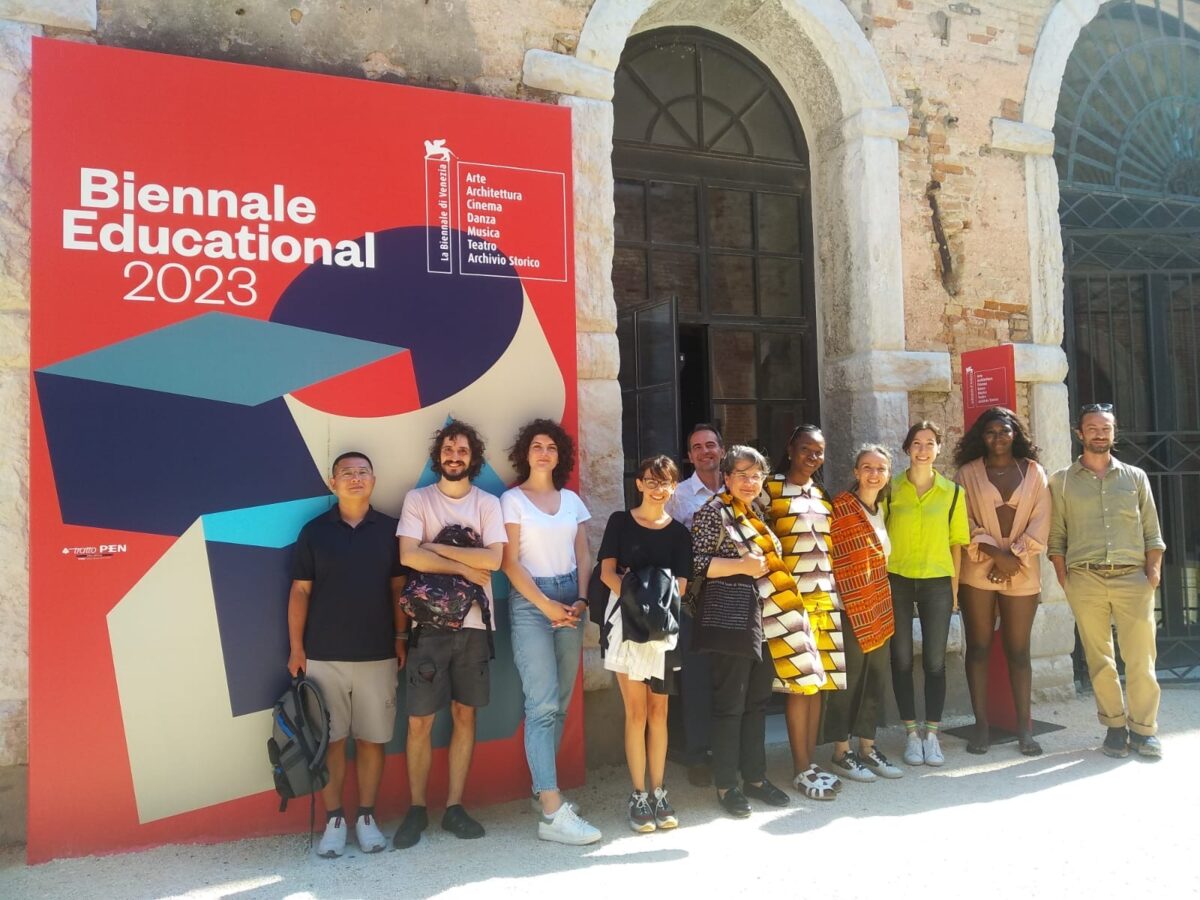
In June 2023, I had the incredible opportunity to curate a side event at the prestigious Venice Biennale titled “Moving African Landscapes.” This event was a platform to showcase Africa’s diverse landscapes—both physical and cultural—and how they are shifting in response to a wide range of forces, from climate change to urbanization and migration. It was a privilege to bring the richness of African environments and narratives to a global audience in one of the most important venues for art and cultural exchange.
In this blog post, I’ll take you through the experience of curating this exhibition, the themes we explored, and why it’s critical to bring African voices to the forefront in global discussions about landscapes, culture, and identity.
1. The Concept Behind “Moving African Landscapes”
“Moving African Landscapes” was born out of a desire to engage with the complex relationships between African landscapes and the people who live within them. Africa is often portrayed through static, singular images—vast savannahs, arid deserts, or dense rainforests. However, these representations fail to capture the dynamism and diversity of the continent’s environments, as well as the ways in which African landscapes are constantly evolving.
The exhibition explored these shifting landscapes through multiple lenses—geographical, social, and political. From rural areas experiencing the effects of climate change and deforestation to the rapid urbanization of African cities, we sought to highlight how African landscapes are not only physical spaces but also deeply tied to cultural identity and memory. We wanted to convey that Africa’s landscapes, just like its people, are in a state of constant motion and transformation.
2. Curatorial Vision: Weaving Together Stories and Spaces
As the curator, my goal was to create a multidimensional experience that would challenge stereotypes and offer a more nuanced understanding of African landscapes. The exhibition brought together a diverse group of artists, architects, and cultural practitioners from across the African continent, each contributing their unique perspectives on how landscapes shape and are shaped by culture.
One of the key challenges—and opportunities—was to present the African landscape not just as a backdrop, but as an active participant in the stories being told. Through a combination of multimedia installations, photography, video art, and soundscapes, we invited the audience to engage with the landscapes as living, breathing entities. Visitors could walk through immersive environments that simulated the sounds and sights of different African regions—from the arid landscapes of the Sahel to the bustling streets of Lagos or Cape Town.
We also wanted to focus on the intersection between the natural environment and the built environment. Africa’s rapid urbanization is transforming its cities, often in ways that reflect both the beauty and the challenges of development. Through this, we asked important questions: How do people adapt to changing landscapes? How do historical ties to the land influence the way African cities are growing? And how do communities navigate the balance between tradition and modernization?
3. Highlighting the Impact of Climate Change on African Landscapes
One of the central themes of “Moving African Landscapes” was climate change, an issue that has a disproportionate impact on Africa but is often underrepresented in global discussions. African landscapes are among the most vulnerable to climate disruptions, from desertification in the Sahel to the rising sea levels threatening coastal cities.
In one of the exhibition’s standout pieces, artists used time-lapse photography and satellite imagery to show how entire ecosystems in Africa are shifting due to climate change. These visual representations, juxtaposed with personal narratives from local communities, conveyed the deep sense of loss felt by people whose lives are inextricably linked to the land. But it wasn’t just about loss—it was also about resilience, as we showcased the innovative ways African communities are adapting to these environmental changes.
4. Urbanization: The Changing Face of African Cities
Urbanization was another key theme, particularly the dramatic transformations happening in Africa’s cities. As some of the fastest-growing cities in the world, African metropolises like Lagos, Nairobi, and Johannesburg are undergoing seismic shifts in population density, infrastructure, and culture. The landscapes of these cities are fluid, constantly in flux as they expand and evolve to accommodate growth.
Through architectural models, video installations, and documentary photography, we highlighted the often-unseen side of this rapid urban development—the informal settlements, the makeshift economies, and the creative resilience of urban communities. The exhibition asked visitors to consider how urban African landscapes are shaped by migration, economic inequality, and social innovation.
5. Migration and Displacement: Moving People, Moving Landscapes
Another critical aspect of “Moving African Landscapes” was the theme of migration and displacement. Whether due to environmental degradation, conflict, or economic necessity, millions of Africans are on the move, often forced to leave their homelands in search of new opportunities. These migrations, both within and across borders, are not just about people moving but about landscapes changing as communities resettle and rebuild.
Several installations focused on the journey of displaced people, using art to illustrate the emotional and physical toll of leaving behind one’s home. One particularly powerful piece was an interactive map that allowed visitors to trace the migration routes of various African communities, illustrating how movement reshapes both the land and the people. Through these stories, we aimed to humanize the issue of displacement and show how landscapes can both shape and be shaped by migration.
6. The Importance of Representation at the Venice Biennale
Being able to present this curation as a side event at the Venice Biennale was particularly significant. The Biennale is one of the most prestigious art and architecture exhibitions in the world, and it provides a global platform for conversations about culture, identity, and the environment. For too long, Africa has been underrepresented at such international events, with its landscapes and cultures often portrayed through external, colonial lenses.
“Moving African Landscapes” sought to change that by centering African voices and narratives. The African artists and cultural practitioners involved in this project brought their personal experiences, knowledge, and creativity to the forefront, offering a fresh perspective on African environments that challenged stereotypes and invited nuanced engagement.
7. Looking Forward: The Legacy of “Moving African Landscapes”
The success of the “Moving African Landscapes” event at the Venice Biennale has sparked important conversations about how Africa’s landscapes are changing and how we, as global citizens, can support the resilience of its people and environments. As Africa continues to grow and change, exhibitions like this are critical in ensuring that the continent’s diverse stories are told on the global stage—through art, architecture, and culture.
Looking ahead, the themes explored in this curation—climate change, urbanization, migration, and cultural identity—will continue to shape Africa’s future. By bringing these discussions into the mainstream through platforms like the Biennale, we hope to foster greater understanding, collaboration, and action in the preservation and adaptation of Africa’s extraordinary landscapes.
Moving African LandscapesA Journey Across Continents and Narratives
Curating “Moving African Landscapes” was not just about presenting beautiful art or architecture—it was about sparking conversations and creating a deeper understanding of how Africa’s landscapes, both natural and built, are intertwined with the lives and identities of its people. Through this event, we were able to bring a piece of Africa to Venice, reminding visitors of the richness, complexity, and resilience of the continent’s landscapes.
For me, it was a deeply personal and professional experience, one that reaffirmed the power of art and design to connect people across borders and raise awareness of the issues that shape our world today. I’m grateful for the opportunity to have been part of this important conversation and look forward to continuing this work in future exhibitions and projects.