Building a Legacy of Unity, Love, Peace, and Sustainability in Abuja
January 28, 2025
From Ruins to Restored Building: The Story of The Premier Building-Hope Waddel Training Institution
March 31, 2025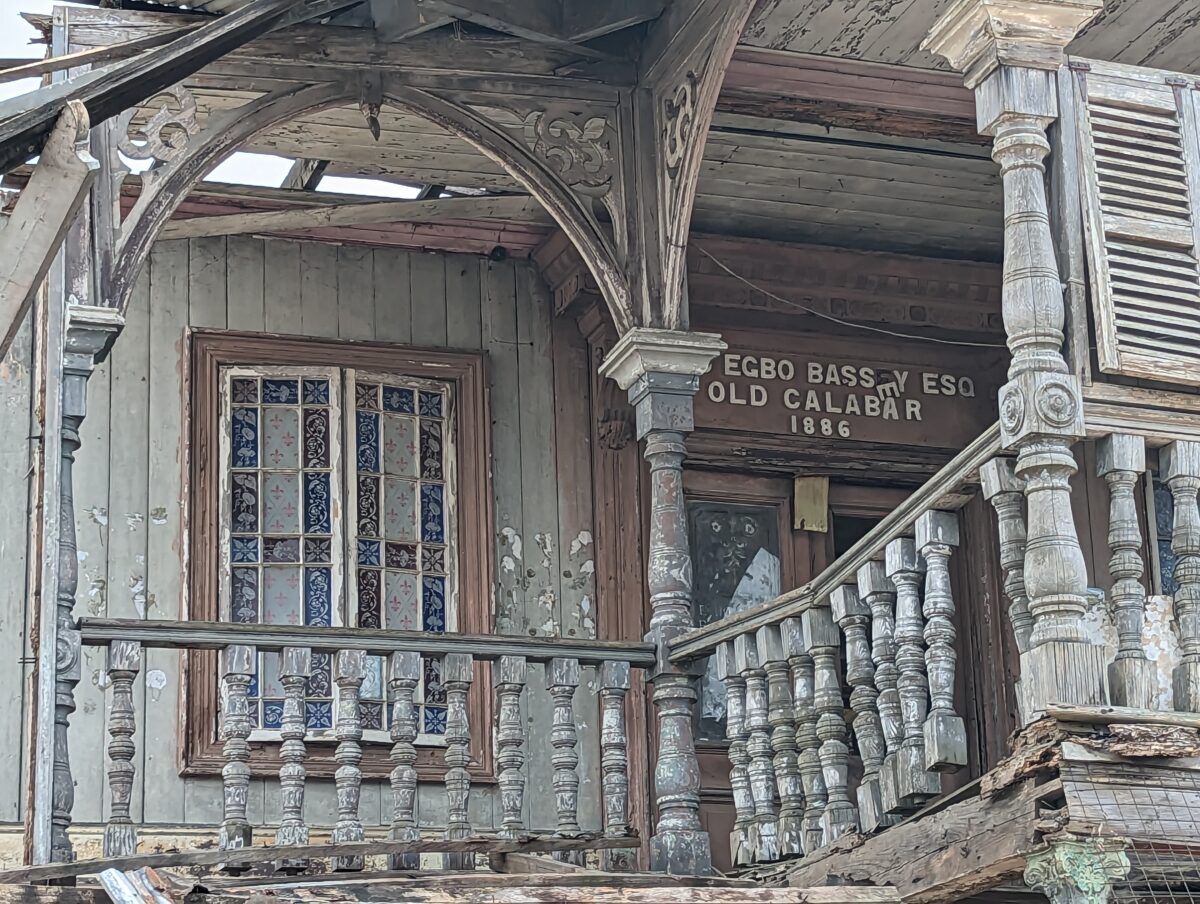
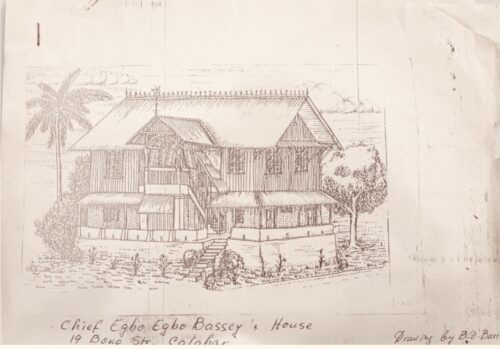
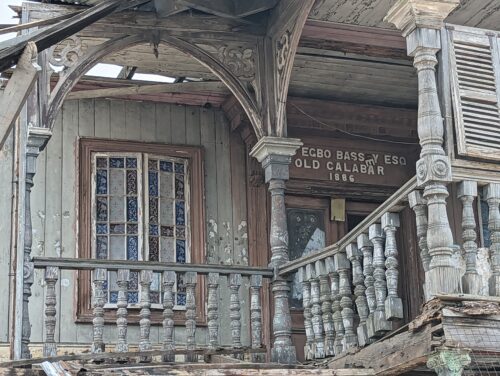
At the heart of Old Calabar, where the past lingers in the contours of wooden facades and the whispered stories of its people, stands Bocco House, with Victorian-era interiors- prefabricated architecture. Built in 1886 by Egbo Egbo Bassey Esq., its inhibited iron-framed columns—designed and manufactured by Macfarlane & Co. of Glasgow, Scotland—embodies the fusion of European industrial export and Efik cultural aesthetics. More than just an architectural relic, Bocco House is a repository of lived experiences, where the echoes of history intertwine with the voices of today’s community.
Bridging Generations Through Documentation
As the FOCHEN team, led by Drs. Tokie Laotan-Brown, Bekeh Utietiang, Ijeoma Onyejekwe, Mr. Sammy and Joshua Osobase embark on the six-month documentation of Bocco House, in collaboration with the Calabar Museum, the mission extends beyond structural analysis. This effort—funded by The Endangered Wooden Architecture Programme (EWAP) at Oxford Brookes University, supported by Arcadia Foundation—is not merely about preserving the physical edifice but about capturing its human story.
The research delves into the architectural elements, materials, and conservation needs, dating the Victorian-era components with a keen eye on craftsmanship and decay. But the true essence of this project lies in engaging with descendants of Egbo Egbo Bassey, alongside the current residents of Bocco Street, whose lives continue to unfold in the shadow of this historic landmark.
The Descendants’ Stories: Threads of Memory
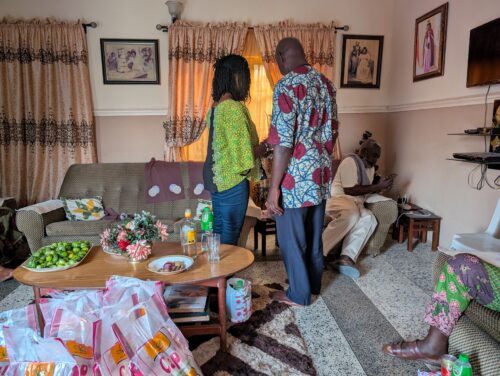
The descendants of Egbo Egbo Bassey bring a generational connection to the house. Through oral histories and archival research, we are reconstructing the narratives of ownership, migration, and adaptation—stories that reveal how the house witnessed the transformations of Calabar from a colonial trading hub to a modern city. Their memories, artefacts, and heirlooms form an integral part of the documentation, helping to reconnect history with heritage.
One of the Bassey descendants, Madam Eno Bassey, shares how her grandfather, Egbo Egbo, often spoke of the house as a symbol of resilience, a structure that withstood wars, colonial policies, and economic shifts. “We grew up knowing that Bocco House was more than a home—it was a statement of our family’s role in history,” she recalls.
The Bocco Street Community: Keepers of the Living Heritage
But Bocco House does not stand alone. It is deeply embedded in the social fabric of Bocco Street, where generations have lived, traded, and celebrated. The elders of the street remember when the house served as a gathering place for discussions on trade, religion and Efik traditions.
For young residents, the house has always been a mysterious landmark. To many, it is a place of curiosity, a structure that has outlived modern concrete buildings. Efforts to include local youth in the documentation process—through digital mapping, storytelling workshops, and oral history sessions—will ensure that the next generation understands its significance and the need for preservation.
Interactive Documentation: Weaving Past and Present
To fully capture the life of Bocco House, the documentation team is employing a multi-dimensional approach:
- Architectural and Material Analysis: Documenting the woodwork, iron fixtures, and prefabricated components to understand the impact of time and climate.
- Oral History Collection: Recording firsthand accounts from descendants and long-time residents to reconstruct the social history of the house.
- Community Engagement Sessions: Organizing storytelling events where the elderly share their memories with younger generations.
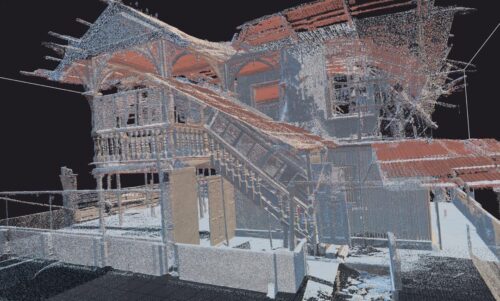
- Digital Mapping and 3D Modeling: Creating an interactive digital record of Bocco House for future research and conservation planning.
Looking Ahead: May 2025 and Beyond
As the project culminates in May 2025, the findings will be compiled into a comprehensive report and exhibition at the Calabar Museum, ensuring that Bocco House’s legacy is accessible to scholars, heritage professionals, and the local community. A digital archive will also be created, making it possible for anyone to explore the history, architecture, and cultural significance of Bocco House online.
The documentation of Bocco House is more than just a conservation effort—it is an act of reconnection and reclamation, ensuring that this landmark continues to tell its stories for generations to come. By bringing together the voices of the past and present, we affirm that history is not merely about what has been, but about what is still lived, remembered, and shared.