
Fractals in African Culture: The Geometry of Tradition, Spirituality, and Social Harmony
May 5, 2014
African-Themed Interiors for Cultural Identity Preservation
May 7, 2014The Yoruba people, one of the largest ethnic groups in Africa, primarily reside in southwestern Nigeria, with a rich cultural heritage that spans centuries. Despite modern influences and urbanization, the Yoruba community has maintained a remarkable ability to self-organize and conserve its cultural identity. Through dynamic community activities, traditional institutions, and the preservation of customs and languages, the Yoruba demonstrate how a society can balance progress with a strong sense of cultural continuity.
In this post, we explore the self-organizing activities within the Yoruba community and their role in conserving Yoruba cultural identity in a rapidly changing world.
1. Àgbéjọ́ró: Consensus and Community Governance
One of the most significant self-organizing activities in Yoruba society is Àgbéjọ́ró—the practice of communal decision-making and conflict resolution. In Yoruba culture, issues affecting the community are often resolved through dialogue, led by a group of elders, community leaders, and stakeholders. This tradition of consensual governance is deeply embedded in Yoruba society and is often applied to resolve disputes, make collective decisions, and ensure social harmony.
This system of self-governance operates through both formal and informal institutions. Baálès (local chiefs), Obas (kings), and community leaders guide the community, using traditional wisdom to mediate disputes and make decisions that reflect communal interests. This process of discussion and consensus not only ensures fairness but also strengthens community bonds and the continuity of cultural norms.
In the context of cultural preservation, Àgbéjọ́ró fosters a strong sense of responsibility toward maintaining Yoruba traditions. Issues such as land rights, traditional festivals, and the protection of sacred sites are often managed through this process, ensuring that cultural practices are passed down through generations. This inclusive and participatory form of governance helps conserve cultural values by involving all members of the community in decision-making.
2. Egbè: Social Group Organization
In Yoruba culture, Egbès are age-grade associations, guilds, or social clubs that organize themselves based on shared characteristics such as profession, age, or social role. These groups play an essential role in the self-organization of the community, providing social support, education, and a sense of belonging to their members.
For example, professional guilds like the Egbè Onisẹ̀gun (herbalists) or Egbè Ọlọ́fìnmọ́ (blacksmiths) are traditional institutions that maintain specialized knowledge and skills, ensuring their transmission across generations. These guilds are also responsible for upholding the ethical and professional standards within their respective crafts. In modern times, these professional groups continue to provide critical services and are central to the conservation of Yoruba knowledge systems, especially in medicine, craftwork, and trade.
Social clubs and associations also serve as support networks for Yoruba people living in urban areas or the diaspora. In cities like Lagos and Ibadan, Yoruba people form Egbès for various purposes, such as fundraising, organizing cultural events, or promoting Yoruba values. These groups help maintain a connection to cultural roots, even in modern and globalized settings, reinforcing Yoruba identity and traditions.
3. Òrìṣà Worship and Traditional Religious Practices
One of the most profound ways the Yoruba people have conserved their cultural identity is through the continued practice of Òrìṣà worship and traditional religion. The Yoruba religious system is centered around a pantheon of gods and goddesses known as the Òrìṣas, each representing different forces of nature, human virtues, and cosmic principles. These deities include Ògún (god of iron and war), Ṣàngó (god of thunder), and Ọ̀ṣun (goddess of fertility and rivers), among others.
Worship of these deities is organized through Ifá divination, rituals, festivals, and the maintenance of sacred shrines. The Ifá priesthood plays a crucial role in the conservation of Yoruba spiritual traditions, acting as custodians of knowledge and facilitators of rituals. This religious system is highly organized, with priests and priestesses guiding followers in spiritual matters and ensuring that ancient practices continue to thrive.
The annual Ọ̀ṣun-Ọ̀ṣogbo Festival in Ọ̀ṣogbo, a UNESCO-recognized cultural heritage site, is one such example of how religious festivals help conserve cultural identity. During the festival, Yoruba people from across Nigeria and the diaspora gather to honor the river goddess Ọ̀ṣun, performing rituals, singing traditional songs, and making offerings. This annual event reinforces Yoruba spirituality and fosters a deep sense of cultural pride and continuity.
4. Festivals and Ceremonies: Markers of Identity
The Yoruba are known for their rich tradition of festivals and ceremonies, which mark important cultural and spiritual milestones. These events are essential to self-organizing within the community, bringing people together to celebrate shared values, history, and beliefs.
Festivals such as the Egungun Festival (honoring ancestors) and the Gelede Festival (celebrating femininity and motherhood) serve as public rituals that reinforce community cohesion. During these festivals, elaborate costumes, masks, dances, and drumming symbolize the deep connections between the living, the dead, and the spiritual world.
These ceremonies are also educational, passing down important cultural knowledge to younger generations. Through dance, song, and storytelling, children learn about the roles of ancestors, the importance of family, and the values that define Yoruba life. Festivals thus act as living repositories of cultural knowledge and are central to the conservation of Yoruba identity in the face of modernity and globalization.
5. Language Preservation and Oral Traditions
The Yoruba language is another cornerstone of cultural identity, and its preservation is a key component of the community’s self-organizing activities. Oral traditions, storytelling, proverbs, and poetry have long been used to transmit cultural knowledge, values, and history from one generation to the next.
Even today, in Yoruba communities across Nigeria and the diaspora, parents, elders, and community leaders ensure that the Yoruba language is spoken in homes, schools, and community gatherings. Yoruba proverbs, or Owe, are commonly used in daily conversations to communicate wisdom, solve disputes, and reinforce moral teachings. These proverbs are often layered with cultural and spiritual meaning, helping to maintain the integrity of Yoruba worldviews.
Additionally, efforts to promote Yoruba language in education, literature, and media are growing. Writers, poets, and filmmakers continue to produce content in Yoruba, while schools offer Yoruba language courses to ensure that future generations retain fluency. In cities like Lagos, Yoruba is increasingly being integrated into modern media platforms, from music and film to online platforms, bridging traditional practices with contemporary expression.
6. Yoruba Diaspora: Cultural Preservation Beyond Borders
The Yoruba diaspora, particularly in countries like Brazil, Cuba, and the United States, has also played a crucial role in the conservation of Yoruba cultural identity. Descendants of enslaved Yoruba people in the Americas have maintained religious practices such as Candomblé in Brazil and Santería in Cuba, where the worship of Yoruba deities continues to thrive.
These religious practices have served as a cultural anchor for Afro-descendant communities, providing a link to African roots while adapting to new environments. Through the preservation of Yoruba religious beliefs, language, and customs, diaspora communities have demonstrated resilience in maintaining their identity despite historical displacement.
Conclusion: The Power of Self-Organization in Cultural Conservation
The Yoruba community’s ability to self-organize through traditional institutions, religious practices, and communal activities has been essential to the conservation of their cultural identity. By maintaining a balance between tradition and adaptation to modernity, the Yoruba have demonstrated the power of self-organization in preserving language, customs, and spiritual practices.
Through festivals, religious worship, language preservation, and social institutions like Egbès, the Yoruba people continue to celebrate and conserve their rich heritage. In a world that is becoming increasingly globalized, the Yoruba community’s commitment to maintaining its identity offers valuable lessons in resilience, cultural pride, and the importance of communal self-organization.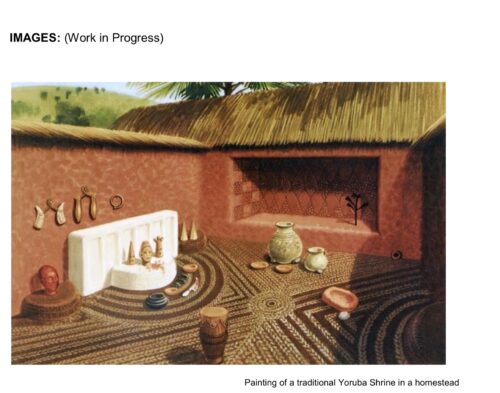
Screenshot
Screenshot