Designing the Interiors of a Renovated Scottish Chapel for Residential Living
May 1, 2014
Exploring African Artifacts – A Journey Through Spiritual, Cultural, and Economic Dimensions
May 4, 2014Egypt is home to some of the world’s most iconic landmarks, such as the Great Pyramids and the Sphinx, but beyond these monumental structures lies an equally fascinating architectural tradition: the earth buildings of Nubian architecture and the timeless beauty of Luxor. A journey through Egypt’s Nubian villages and the architectural marvels of Luxor offers visitors a chance to step into a world where ancient techniques and sustainable practices continue to shape the way of life.
Nubian Architecture: A Living Tradition of Sustainability
Nubian architecture, found primarily in villages along the Nile River in southern Egypt and northern Sudan, is a remarkable example of how ancient building techniques can be both functional and sustainable in the modern world. The homes and communal structures in these villages are built using earth, specifically a mixture of mud, clay, and sand, known for its insulating properties that keep interiors cool in the scorching desert heat.
One of the defining features of Nubian architecture is the use of vaulted and domed roofs, an ingenious solution that eliminates the need for timber in construction, as wood is scarce in these regions. These roofs are constructed without the use of modern tools or frameworks, relying solely on the skill of local builders who have passed down these techniques through generations. The result is a stunning array of organic, smooth forms that blend seamlessly into the landscape.
As you walk through a Nubian village, you’ll notice the bright, vibrant colors adorning the walls of homes. Nubians often paint their houses with bold blues, greens, and yellows, adding a joyful touch to the earthy tones of the buildings. Intricate geometric patterns and symbols are also commonly painted on the exteriors, often reflecting the cultural heritage and spiritual beliefs of the inhabitants.
Visiting Nubian villages offers a unique insight into a lifestyle deeply connected to nature. The use of local, sustainable materials and passive cooling techniques makes Nubian architecture a model of eco-friendly design that has stood the test of time. It’s a reminder that sometimes, the most sustainable solutions are rooted in ancient knowledge.
Luxor: A Journey Through Time and Earth
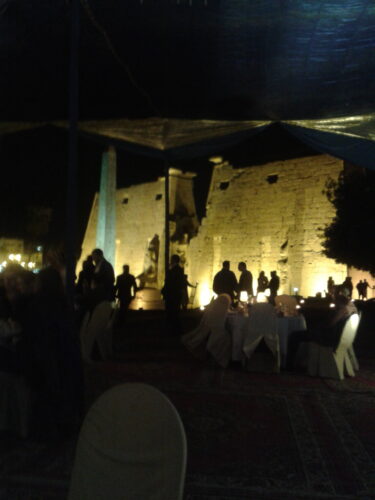
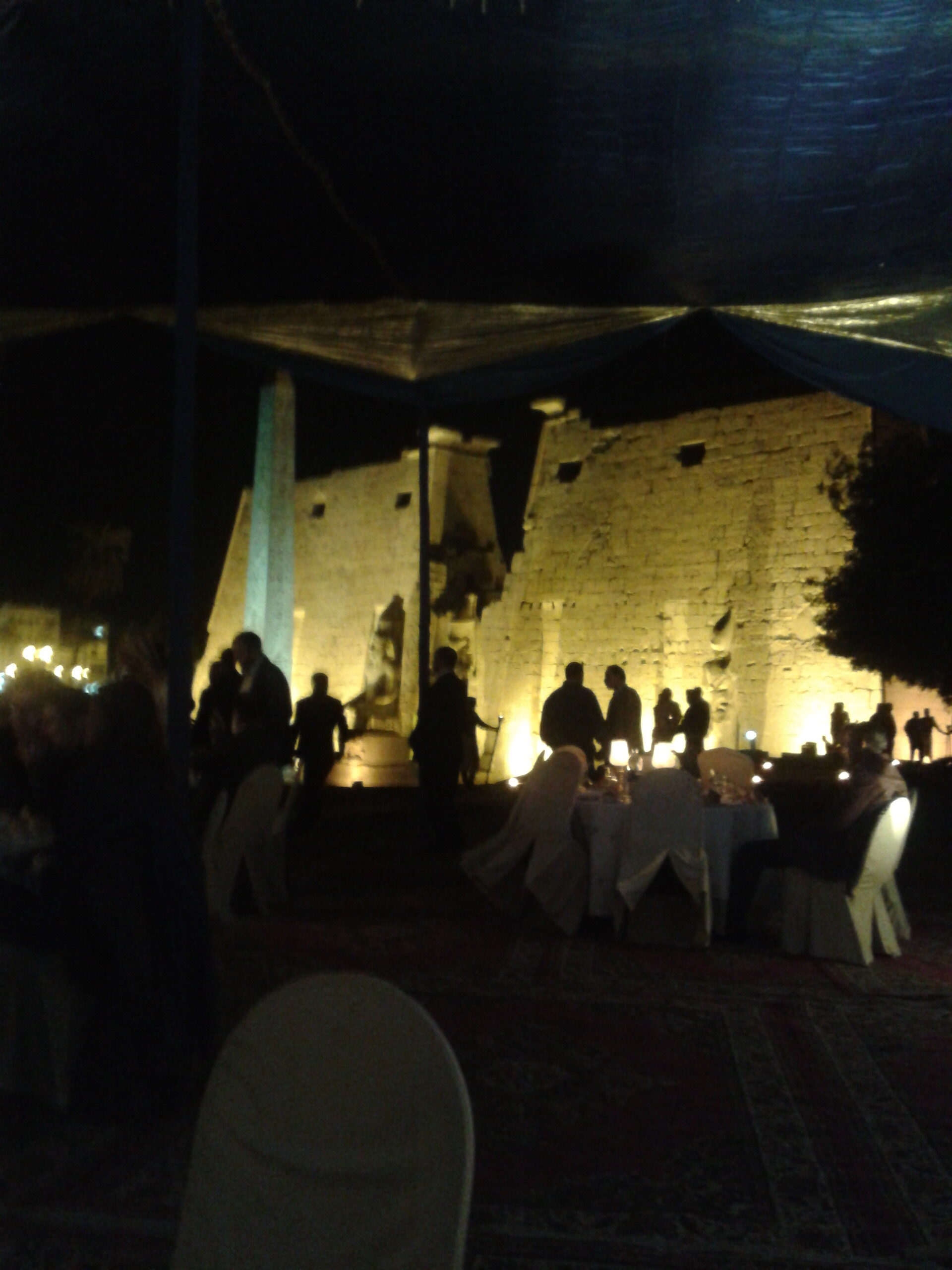
While Nubian architecture offers a look into vernacular traditions, Luxor—often referred to as the world’s greatest open-air museum—takes you on a journey through Egypt’s ancient monumental past. However, alongside its famed temples and tombs, Luxor is also home to incredible examples of earth-based architecture.
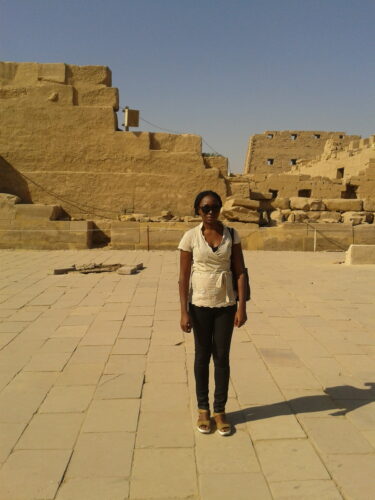
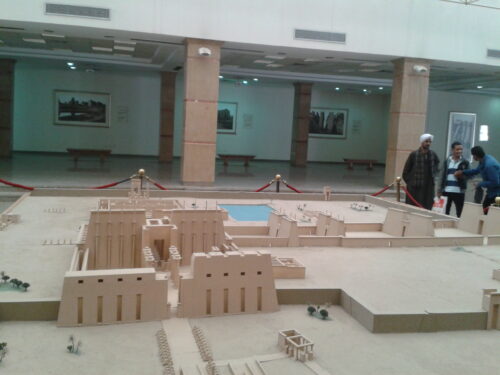
The use of mudbrick in Luxor dates back to the times of the Pharaohs. Mudbrick, a material made from a mixture of clay, mud, straw, and water, was the building block of many homes and even palatial complexes. Although grand structures like the temples of Karnak and Luxor are built from stone, the everyday dwellings of ancient Egyptians were made from earth, a tradition that continues to influence the architecture in the region today.
In Luxor, you’ll find earth buildings that seamlessly integrate with the natural landscape, their organic forms echoing the curves of the surrounding mountains and desert. These structures are not only aesthetically beautiful but also offer practical advantages. The thick mudbrick walls naturally regulate the temperature inside, keeping the interiors cool during the day and warm during the cooler nights.
As you explore Luxor’s monuments and local villages, take a moment to appreciate the continuity of these earth-building traditions. Visiting the ancient town of Gurna, located on the west bank of the Nile opposite Luxor, is an especially enriching experience. Gurna is known for its centuries-old mudbrick homes that were built near the tombs of ancient nobles. Though many of these homes have been vacated or replaced, some structures remain, showcasing the beauty of traditional earth construction.
Experiencing Earth Buildings: Harmony with the Environment
One of the most compelling aspects of both Nubian and Luxor’s earth buildings is how they harmonize with the environment. Unlike modern buildings that often stand out starkly against the natural landscape, these earth buildings appear as extensions of the land itself. Their smooth, rounded forms mimic the contours of the dunes, while the use of local materials ensures that these structures are sustainable and ecologically sound.
Visitors to Egypt who seek a more immersive experience beyond the well-trodden tourist paths will find visiting earth buildings deeply inspiring. Staying in a Nubian guesthouse or even a traditional mudbrick lodge in Luxor allows you to feel the comfort and serenity that these earth homes offer. The thick walls block out noise and heat, creating peaceful, quiet spaces ideal for reflection and rest after a day of exploring Egypt’s wonders.
Moreover, earth buildings demonstrate a strong connection to local culture and craftsmanship. Each structure tells the story of the community that built it, using techniques passed down through generations, showcasing the ingenuity of ancient civilizations that lived in harmony with their harsh desert environment.
Why You Should Visit
A visit to Nubian villages and Luxor offers more than just sightseeing; it is an opportunity to learn about sustainable architecture that has existed for millennia. Here are a few reasons why you should experience these architectural gems firsthand:
Cultural Immersion: Nubian architecture reflects the vibrant cultural heritage of the Nubian people, and visiting these villages allows you to engage with their way of life. From the colorful murals to the distinctive building techniques, every element of Nubian design is a reflection of the culture’s deep-rooted connection to nature and community.
Sustainable Inspiration: As the world looks toward more sustainable building practices, Nubian and Luxor earth structures provide a living example of how ancient techniques can inform modern sustainability. The use of local materials, passive cooling, and environmentally integrated designs offer valuable lessons for architects and designers today.
Historical Continuity: From the ancient mudbrick homes of Luxor to the vaulted roofs of Nubian villages, these earth buildings are a reminder of the deep continuity of human habitation along the Nile. Walking through these spaces, you can sense the timelessness of the traditions and the resilience of the people who built them.
Peaceful Escape: Staying in an earth-built lodge or guesthouse provides a tranquil retreat from the bustling tourist centers. These homes, with their natural cooling and serene designs, offer a calming atmosphere that connects you to the ancient rhythms of life along the Nile.
Conclusion
Visiting the Nubian architecture of Egypt and the earth buildings of Luxor is a journey into a world where history, culture, and sustainability come together. These structures stand as a testament to the ingenuity of ancient peoples, who crafted beautiful, functional homes in harmony with the environment. Whether you are an architecture enthusiast, a cultural traveler, or someone seeking a peaceful escape, the earth buildings of Egypt offer a profound and unforgettable experience.
By exploring these timeless spaces, you not only witness a unique form of architectural beauty but also gain insight into how ancient wisdom can inform a more sustainable future for us all.