

Exploring Nubian Architecture and the Earth Buildings of Luxor in Egypt
May 3, 2014
African Settlement Patterns and Fractals: A Harmonious Blend of Nature, Culture, and Mathematics
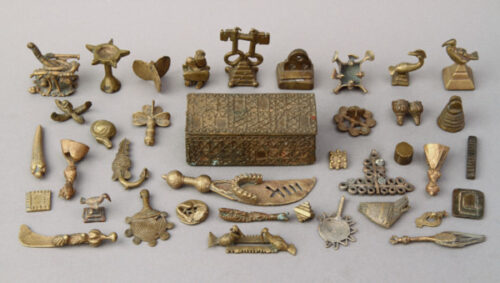
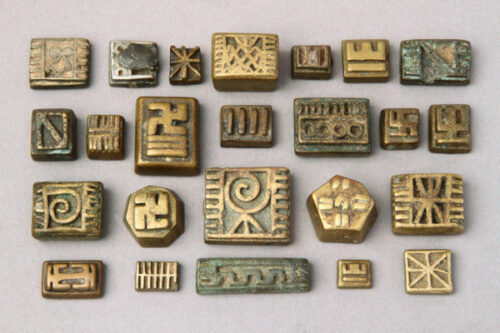
May 4, 2014Africa is a continent rich with history, culture, and traditions, with artifacts that bear witness to these intricate legacies. The images above showcase a collection of African artifacts, emphasizing their significance not only as objects of beauty but as bearers of profound cultural, spiritual, and economic narratives. These artifacts, often crafted from materials such as bronze, gold, and iron, are windows into Africa’s diverse civilizations and their relationships with the spiritual world, community life, and economy.
Spiritual Significance of African Artifacts
Many African artifacts serve a deeply spiritual purpose, acting as conduits between the material world and the realm of ancestors and deities. In traditional African belief systems, there is a strong connection between the physical and spiritual worlds, and artifacts play a key role in facilitating this interaction.
For example, in the images you provided, we see intricate designs and symbolic motifs, many of which may have represented sacred symbols or used in ritual contexts. Some African cultures believed that the spirits of the ancestors resided in such objects or that they could invoke divine protection or blessings. Bronze artifacts, in particular, were often commissioned by royalty or spiritual leaders to mark important rituals, rites of passage, or moments of ancestral worship.
The Benin bronzes from the Kingdom of Benin, for example, were not merely decorative items but were used to venerate ancestors and commemorate historical events. The intricate designs of these artifacts, often depicting kings, warriors, and mythical creatures, served as visual stories linking the past to the present, ensuring that the spiritual lineage was upheld.
Cultural Heritage and Identity
African artifacts are also integral to the cultural identity of the communities that created them. They carry the visual and symbolic language of specific ethnic groups, encapsulating their history, beliefs, and societal values. In many African societies, artisans were highly regarded, and their work played a crucial role in defining the aesthetic and cultural standards of the community.
Artifacts such as the ones shown in the images are not just works of art; they are cultural expressions that reflect the values and worldview of African societies. The geometric patterns and abstract designs seen in some of these artifacts are often deeply symbolic, representing concepts such as fertility, leadership, protection, or cosmological order. These symbols were passed down through generations, often forming the bedrock of a society’s visual language and cultural narrative.
In some cultures, artifacts were used to communicate a person’s status, wealth, or role within the community. Kings, chiefs, and spiritual leaders often had specific regalia made from precious metals like gold and bronze, which signified their power and authority. Such objects were integral to the political and cultural life of the community, helping to establish and maintain social hierarchies and governance structures.
Economic Value and Artisan Craftsmanship
Beyond their cultural and spiritual importance, African artifacts have also played a significant economic role. The craftsmanship of African artisans has been highly regarded across the world, with many African kingdoms and communities participating in global trade networks for centuries.
Bronze casting, for instance, was a highly skilled craft that flourished in various African kingdoms, including Benin, Ife, and the Nok culture. The economic value of these items was not just in their material worth but in the extraordinary skill and labor required to produce them. The ability to cast intricate figures and designs in bronze was a closely guarded technique, often passed down through artisan guilds. These guilds were essential to the local economy, as they provided goods for trade, royal courts, and religious ceremonies.
Artifacts such as the ones depicted in the images were often used in trade with other African societies and with global markets. Gold, in particular, from regions like the Gold Coast (modern-day Ghana), played a critical role in international trade, attracting merchants from Europe and the Middle East. Gold artifacts were prized not only for their beauty but also for their economic value, as they were often used as currency or gifts in diplomatic exchanges.
Today, African artifacts continue to be highly valued in the global art market. However, this economic aspect has also led to challenges, particularly around the ethical issues of looting and repatriation. Many African artifacts were taken from their original contexts during colonial times and are now housed in museums and private collections across the world. The conversation around repatriation seeks to address these historical injustices, aiming to return cultural heritage to its rightful owners.
Conclusion: Honoring African Legacies Through Artifacts
African artifacts are more than just objects of artistic beauty—they are symbols of the deep spiritual, cultural, and economic histories of African civilizations. As we explore these artifacts, we are reminded of the incredible skill and craftsmanship of African artisans, the profound spiritual beliefs of African societies, and the rich trade networks that connected Africa to the wider world.
The artifacts in the images, with their intricate designs and symbolic meaning, are a testament to the enduring legacies of African cultures. Whether used in rituals, as symbols of power, or as economic commodities, these artifacts hold stories of a continent that has long been at the heart of global history.
As we continue to learn from and engage with African artifacts, it is essential to honor their origins, understand their significance, and, where necessary, advocate for their return to the communities from which they came. These objects are not just relics of the past; they are living connections to the ancestors, cultures, and histories that continue to shape Africa and the world today.