The Meaning Behind Merging Ecologies Studio: Cultural Heritage and Identity
May 8, 2014
A Journey to the Ancient Trees of New Zealand – Embracing Nature’s Timeless Giants
July 6, 2016
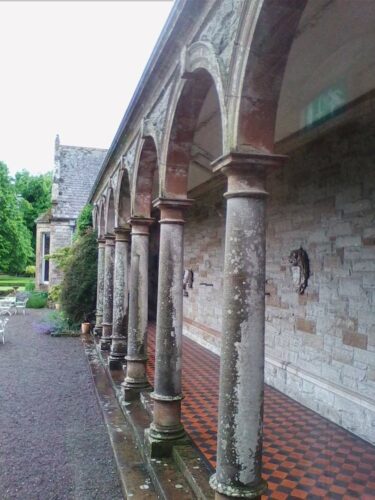
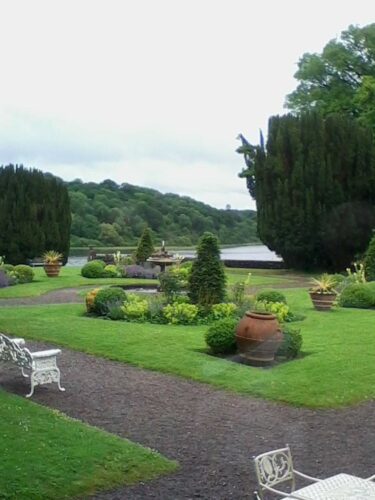
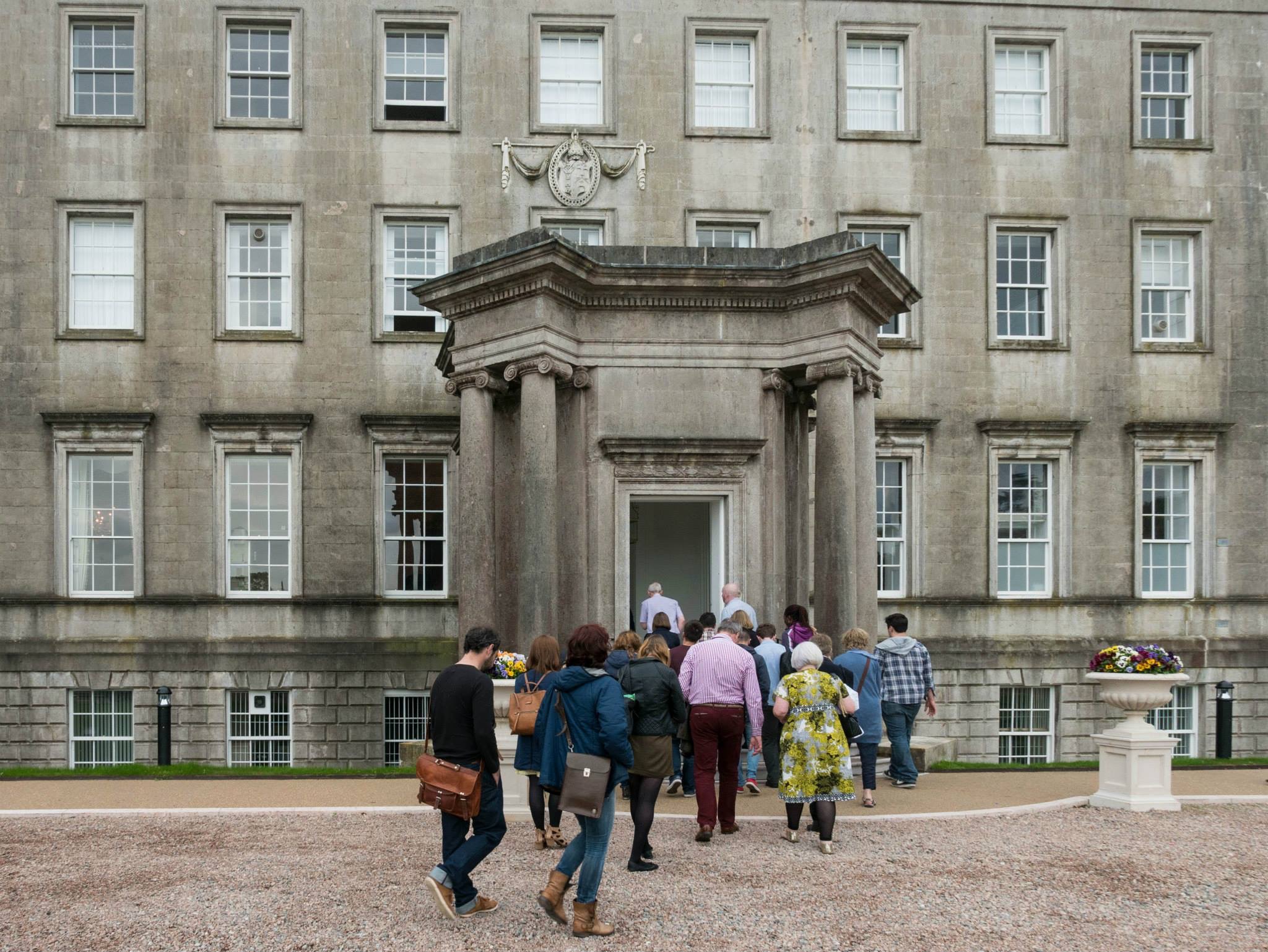
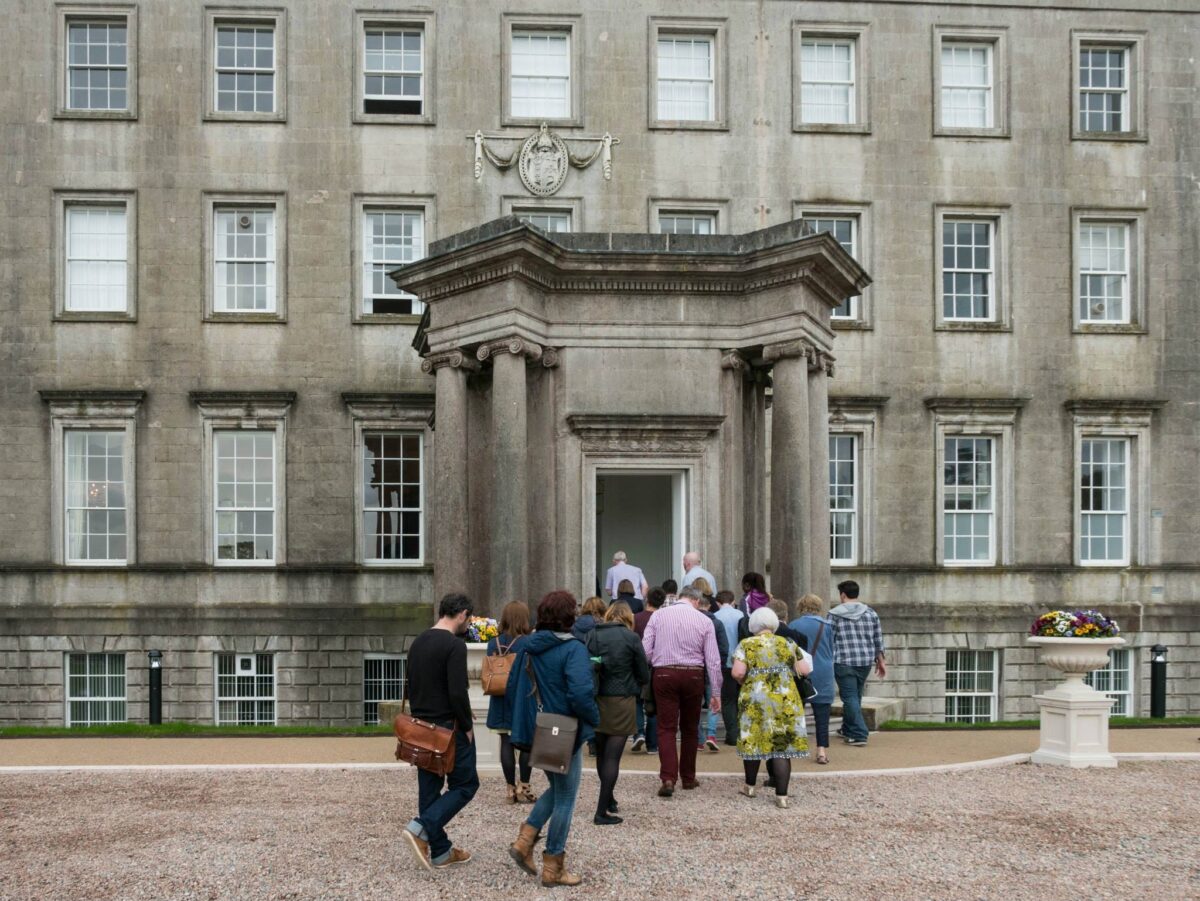
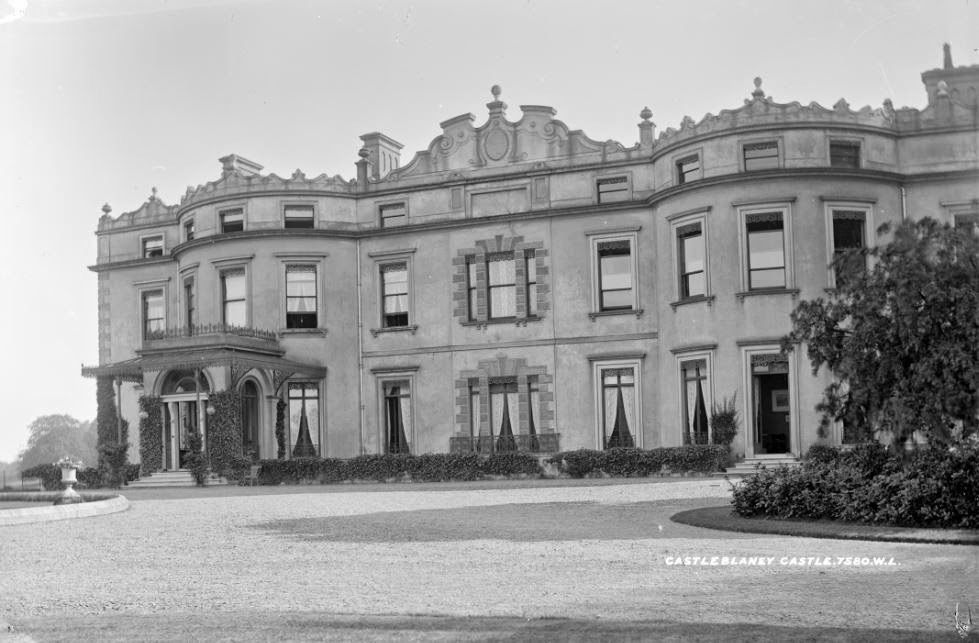
 Hope Castle, located in the picturesque setting of Muckno Park in Castleblayney, stands as a relic of Ireland’s architectural past and a symbol of the relationship between demesne landscapes and rural life. Currently derelict, the castle is an example of a historically significant estate that, through careful conservation and adaptive reuse, can be restored to its former grandeur while contributing to the local community in new and meaningful ways. During my participation in Conservation without Frontiers: Historic Buildings of Armagh & Monaghan in Context, I had the opportunity to explore Hope Castle’s potential for conservation, guided by philosophies outlined in international conservation charters, such as the ICOMOS Burra and Venice Charters.
This post outlines a proposal for the development of Hope Castle, based on conservation principles and the historic relationship between the castle, its demesne, and the town of Castleblayney. The proposal demonstrates respect for the site’s historical significance, the picturesque context of its setting, and the need for sustainable and appropriate use in the future.
1. The Historic Relationship Between Hope Castle and Its Demesne
Hope Castle is part of a long-standing tradition of demesne landscapes in Ireland, where the main house is central to a network of self-sufficient buildings and lands. These landscapes were typically designed to blend practical functions—such as farming, livestock management, and food production—with ornamental elements, such as formal gardens, woodlands, and vistas. In the case of Hope Castle, this relationship is vital to understanding its historical significance, as the demesne predates the current castle, with much of the estate’s layout established as early as 1772.
The demesne landscape surrounding Hope Castle is not merely a backdrop but an integral part of the estate’s history. Any conservation or development work must retain and restore this relationship. The lodges, stables, entrance gates, and tree-lined avenues within the demesne should be conserved as key features of this designed landscape, ensuring they are protected from future development that could disrupt the integrity of the estate.
Proposal: The restoration of the demesne landscape should focus on maintaining its historical integrity while enhancing its natural beauty. This includes protecting the trees within the demesne boundaries, replanting areas with historically appropriate species, and ensuring that future infrastructure projects, such as road improvements, do not threaten the landscape’s unity. Furthermore, strategic screening can be used to mitigate the visual impact of modern developments on the estate.
2. Conserving the Relationship Between Hope Castle and Castleblayney Town
The town of Castleblayney has always been intimately connected to the Blayney family and the development of Hope Castle. Historically, the estate was a social and economic hub for the surrounding countryside, providing employment, resources, and a focal point for community life. Given Castleblayney’s status as the third-largest town in County Monaghan, it is crucial that any development of Hope Castle reflects this historic relationship and continues to support the town’s growth and sustainability.
Proposal: One potential solution to reinforce this relationship is the establishment of a community-focused Green Historic building project, which integrates renewable energy and sustainability initiatives. For example, the installation of a hydroelectric plant near the original hydraulic room site could provide renewable energy for the town. This initiative could align with conservation goals by repurposing existing infrastructure while creating new opportunities for local development.
Furthermore, the integration of educational programs—such as a sustainable school project for conservation studies and energy research—would create a shared goal that benefits the entire community. Students, apprentices, and professionals in fields such as tourism, conservation, and green energy could participate in the castle’s restoration and ongoing maintenance, ensuring that both the building and the town remain viable and vibrant.
3. Restoring the Historic Nature and Style of Hope Castle
Hope Castle is a fine example of Irish country house architecture, but like many historic buildings, it has undergone significant alterations over the centuries. Understanding these changes is essential to any conservation effort, as it allows us to balance the need for preserving the original design with the practical requirements of modern usage.
Proposal: The restoration of Hope Castle should be guided by the Venice Charter’s principle of respecting the building’s historical authenticity. Any alterations that have been made to the structure—whether through rebuilding, renovations, or extensions—should be carefully documented and assessed. Where possible, the building should be restored to reflect its original architectural features, while any later additions that hold historical value should be conserved in a way that maintains the overall integrity of the design.
Given the picturesque setting of the castle, the restoration process should also focus on preserving the views and vistas that have historically framed the building. This means maintaining the balance between the built environment and the natural landscape, ensuring that any interventions blend harmoniously with the surrounding scenery.
4. Appropriate Use and Sustainable Development
One of the critical considerations in the conservation of any historic building is finding an appropriate use that ensures its continued relevance and economic viability. Hope Castle, with its rich history and prime location within Muckno Park, has the potential to serve multiple purposes that benefit both the local community and visitors from farther afield.
Proposal: A mixed-use development approach could be the ideal solution for Hope Castle, incorporating a range of activities and functions that reflect its history while embracing modern needs. For example, part of the castle could be transformed into a heritage center that explores the history of the Blayney family, the castle’s role in local development, and the broader context of Irish demesnes. Additionally, the surrounding grounds could host cultural events, festivals, and outdoor activities such as golf, boating, and walking trails, making the estate a focal point for both recreation and education.
In line with sustainability goals, Hope Castle could also serve as a model for green building practices, with eco-friendly renovations and renewable energy systems integrated into its restoration. This would ensure that the castle not only reflects its historic past but also contributes to a sustainable future.
5. Materiality and Scale in Restoration Efforts
The choice of materials and the scale of interventions are essential elements of any restoration project, particularly when working with a historic building like Hope Castle. The materials used in the castle’s original construction, such as stone, timber, and slate, are integral to its character and must be preserved wherever possible.
Proposal: Any repairs or extensions to the castle should use traditional materials that match the original fabric of the building. Where new materials are necessary, they should be chosen for their compatibility with the existing structure, ensuring that they do not detract from the castle’s historic character. Similarly, the scale of any new construction should respect the proportions of the original building, maintaining its dominant presence within the demesne while allowing for modern amenities.
A Sustainable Future for Hope Castle
The restoration and development of Hope Castle present a unique opportunity to bring a derelict yet historically significant building back to life. By adhering to the principles of conservation philosophy and policy, we can ensure that the castle remains a vital part of Castleblayney’s history while contributing to the town’s future growth and sustainability. Through careful restoration, adaptive reuse, and a focus on community engagement, Hope Castle can once again become a hub of social, cultural, and economic activity, reflecting both its past and its potential for the future.