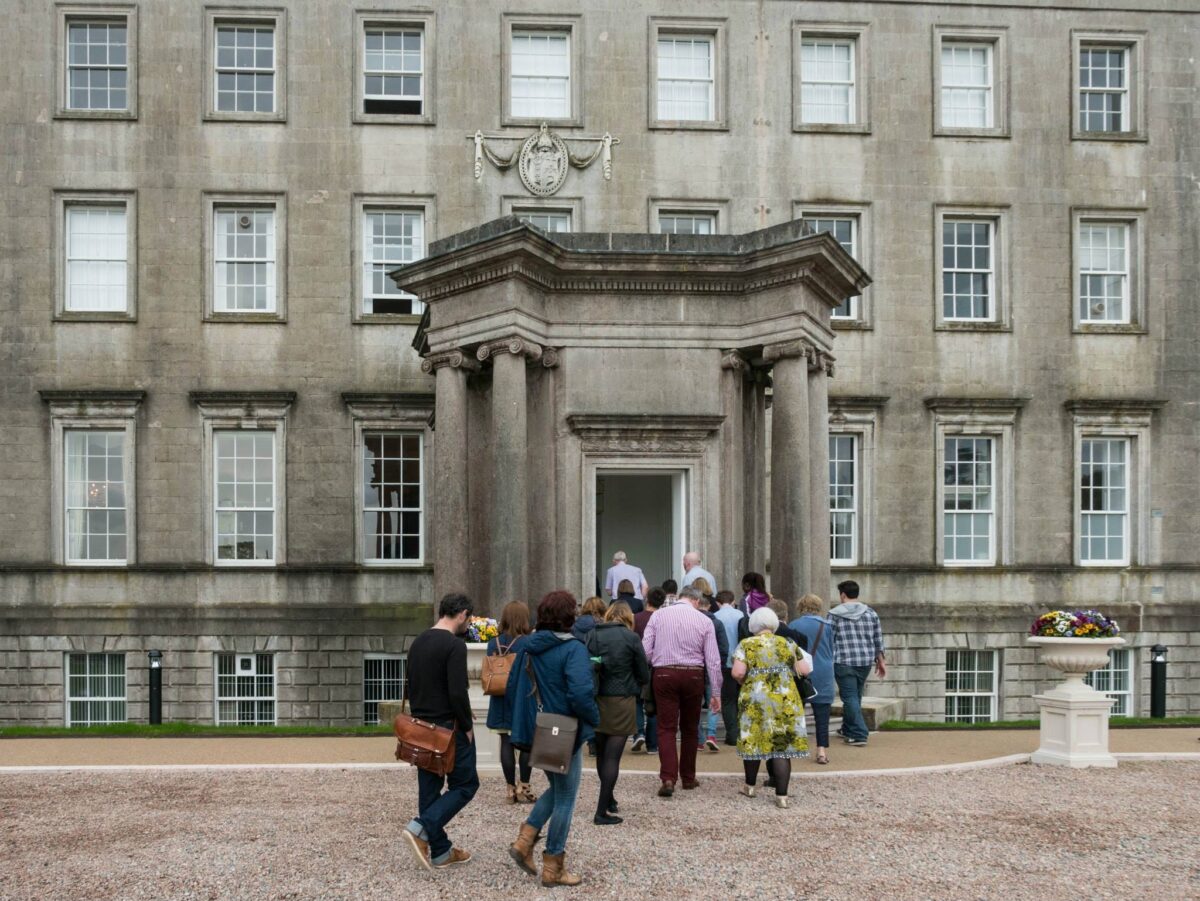

My Visit to The Weeping Stones of Fyvie Castle – A Journey Into Scottish Mysteries and Legends
July 6, 2016
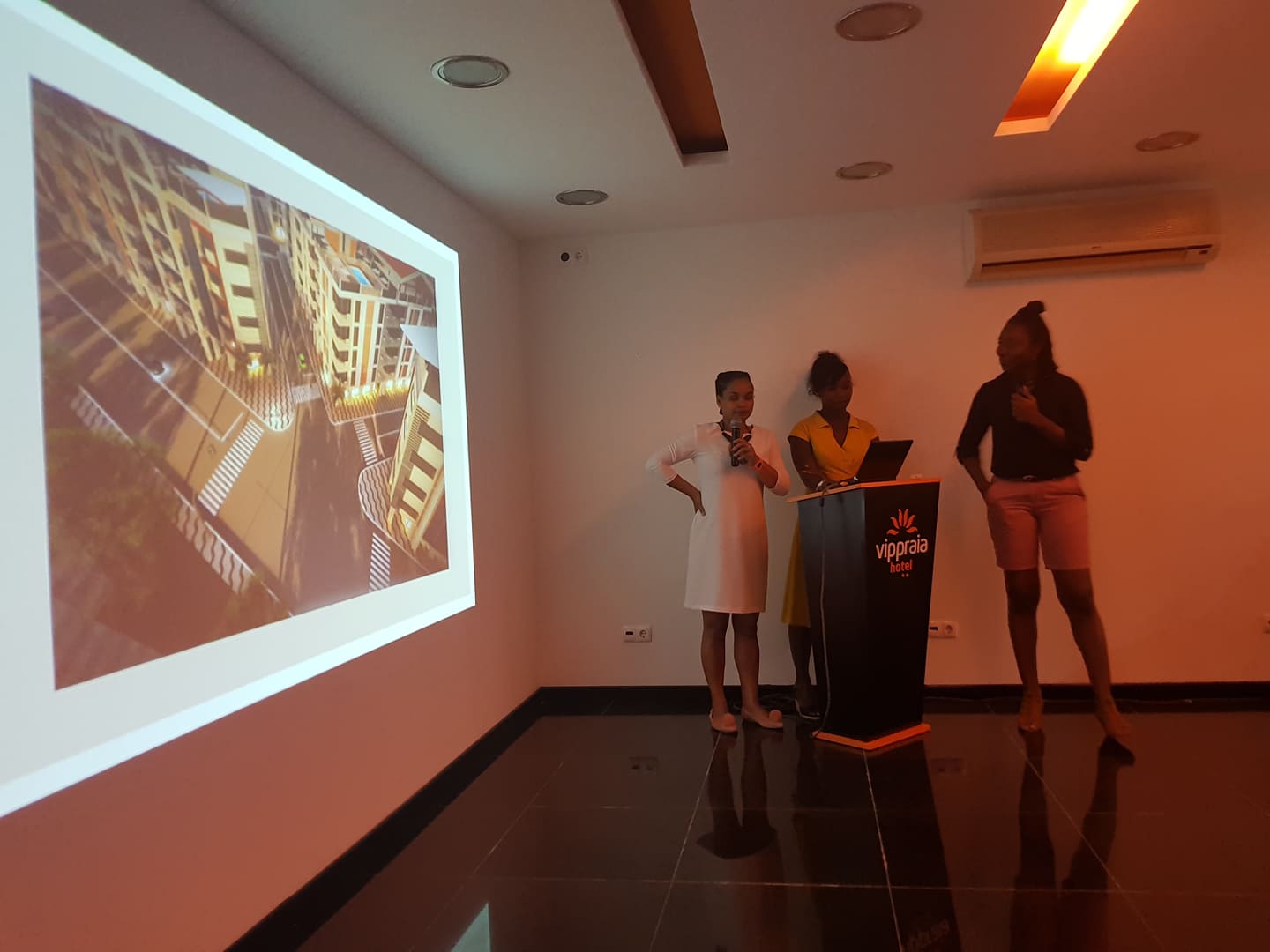
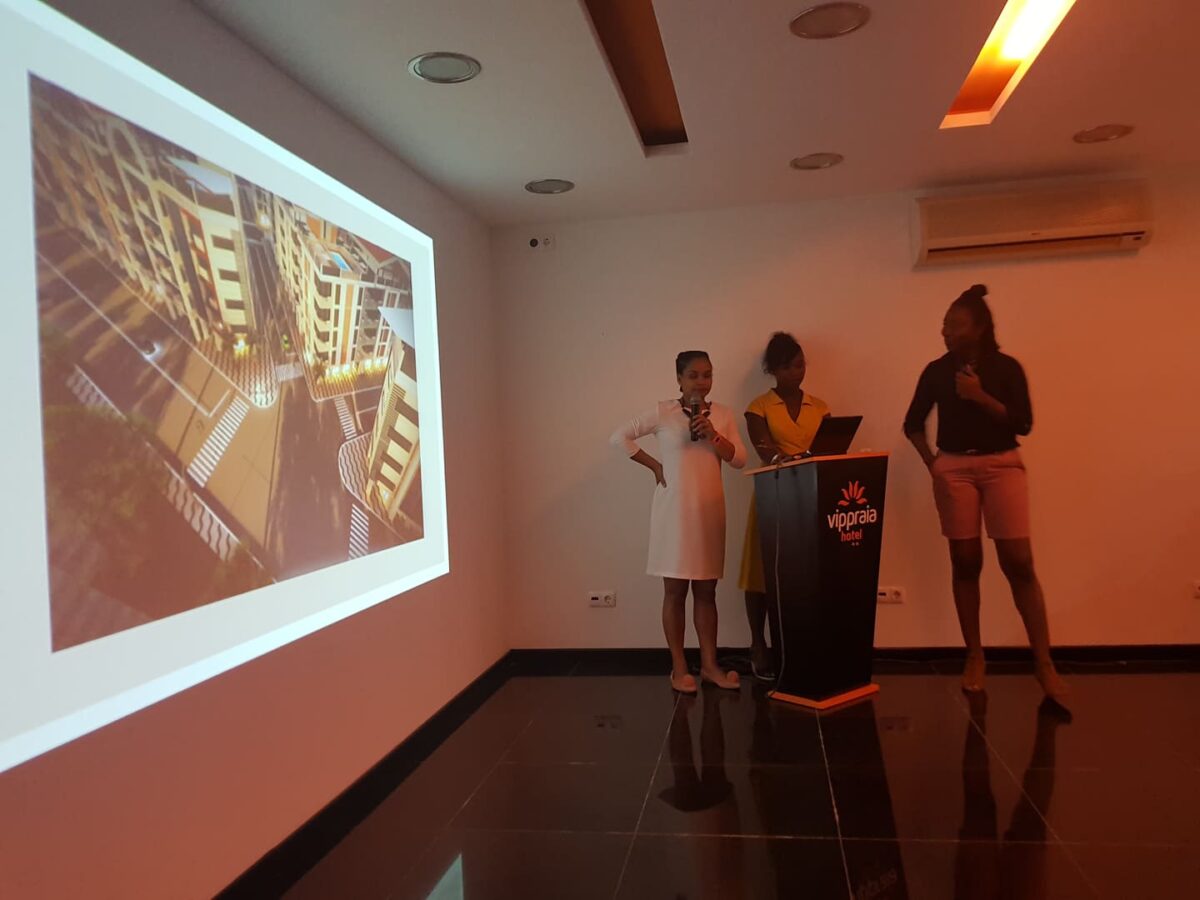
Working in a Portuguese Design Studio in Cape Verde – Embracing Landscapes, History, and UNESCO Heritage in Praia’s City Development Plan
October 16, 2018Nestled in the rolling landscapes of County Clare, Ireland, the site of An Cabhail Mhór in Killinaboy stands as a remarkable relic of medieval Irish architecture. Like many historical buildings in the region, its stone walls tell stories of the past, but they also show the wear and tear of time, weather, and neglect. As part of a recent conservation project, I had the opportunity to participate in the repair of the stone walls using hot-mixed lime mortar—a traditional technique that has been used for centuries in Ireland and beyond.
This experience not only deepened my appreciation for heritage conservation but also gave me hands-on insight into the importance of using historically accurate materials and techniques when repairing ancient structures. In this post, I’ll share my experience working at An Cabhail Mhór, with a focus on the use of hot-mixed lime mortar and the conservative approach we took to restore the integrity of the stone walls while respecting the building’s historical fabric.
1. Understanding the Site: An Cabhail Mhór
An Cabhail Mhór, meaning “The Great Ruin,” is a medieval structure located in Killinaboy, Co. Clare, known for its significant historical and cultural value. Like many ancient buildings in Ireland, it has suffered from exposure to the elements over the centuries, leading to the deterioration of its stone walls and other structural elements. As part of ongoing conservation efforts, we were tasked with addressing these issues while ensuring that the repairs were sympathetic to the original construction methods.
This meant taking a conservative approach to the restoration—preserving as much of the original stonework as possible, and using traditional materials to repair the damaged areas. The choice to use hot-mixed lime mortar was critical in this process, as it would allow us to maintain the building’s historical authenticity and ensure that the repairs would stand the test of time.
2. Why Hot-Mixed Lime Mortar?
Hot-mixed lime mortar is an ancient building material that has been used for millennia in stone construction. Unlike modern cement mortars, hot-mixed lime mortar is highly compatible with older buildings, particularly stone structures like An Cabhail Mhór. The mixture consists of quicklime (calcium oxide) and sand, which are combined with water to produce a traditional mortar that is both breathable and flexible—key properties for conserving stone buildings.
One of the main reasons for using hot-mixed lime mortar in heritage conservation is that it allows the building to “breathe.” Older stone walls need to manage moisture effectively, and using a modern, dense cement mortar would trap moisture inside the walls, leading to further damage over time. Lime mortar, by contrast, allows moisture to evaporate naturally, preventing deterioration of the stone.
Additionally, lime mortar is more forgiving than cement mortars. It accommodates the slight movements that naturally occur in old buildings due to temperature changes, moisture fluctuations, and ground settlement. This flexibility is crucial for preventing cracks and maintaining the long-term stability of the structure.
3. The Process of Mixing and Applying Hot-Mixed Lime Mortar
Working with hot-mixed lime mortar requires both patience and skill. The process begins with slaking the quicklime, which involves combining the quicklime with water to create a highly exothermic reaction. The result is a fine, creamy lime putty that can then be mixed with sand to form the mortar.
One of the most interesting parts of the process was witnessing the transformation of the materials during the slaking process—the quicklime heats up as it reacts with water, producing steam and bubbling as it dissolves into the putty. Timing and care are critical at this stage, as the quality of the lime putty directly affects the durability of the mortar.
Once the lime putty was ready, we mixed it with sand in the correct proportions to achieve a workable consistency. The mortar was then carefully applied to the stone walls, filling in cracks and gaps while being mindful not to cover or alter the original stonework more than necessary.
4. Conservative Repair: Respecting the Integrity of the Stone Walls
A key principle in heritage conservation is the concept of conservative repair—the idea that any interventions should be minimal and reversible, preserving as much of the original material as possible. This philosophy was central to our work at An Cabhail Mhór.
Rather than completely replacing sections of stone that were damaged, we focused on stabilizing them using the lime mortar to repoint the joints and reinforce the integrity of the wall. Repointing involves removing the deteriorated old mortar and replacing it with fresh lime mortar. This technique not only strengthens the wall but also enhances its appearance by highlighting the natural beauty of the stone.
We took care to ensure that the new mortar blended seamlessly with the existing stonework, paying attention to the color and texture of the lime mortar to match the weathered appearance of the original structure. This approach helped maintain the historical authenticity of the building, allowing it to retain its character while ensuring its longevity.
5. Challenges and Rewards
As with any conservation project, there were challenges along the way. Working with hot-mixed lime mortar can be demanding, particularly in managing the mix to ensure the right consistency and strength. The Irish weather, with its frequent rains and high humidity, added another layer of complexity, as we had to protect the freshly applied mortar from too much moisture, which could prevent it from curing properly.
However, the rewards of the project far outweighed the challenges. Being part of the effort to preserve such an important historical site was a humbling and rewarding experience. There is something deeply satisfying about working with your hands on a building that has stood for centuries, knowing that your efforts will help ensure that future generations can appreciate its beauty and historical significance.
6. Lessons in Conservation and Sustainability
My experience at An Cabhail Mhór underscored the importance of using traditional materials and methods in heritage conservation. Hot-mixed lime mortar is not just a material from the past; it remains relevant today because of its unique properties that align with sustainability and conservation goals.
By using breathable, natural materials, we are not only preserving the structural integrity of ancient buildings but also promoting sustainable practices in modern construction. The use of lime mortar, in particular, reduces the environmental impact of repairs and ensures that we are working with the building, rather than against it, allowing it to continue telling its story for years to come.
 The Significance of Heritage Conservation
The work done at An Cabhail Mhór is just one example of the many efforts being made to conserve historical sites around the world. As we continue to learn from the past and embrace sustainable building practices, projects like this remind us of the importance of respecting our cultural heritage while ensuring that it endures for future generations.
Beyond working with hot-mixed lime mortar for stone wall conservation, I had the opportunity to engage with traditional woodworking and thatching techniques, further enriching my understanding of sustainable, historically accurate building methods.
In this post, I’ll share my experience working with these traditional materials and techniques, exploring the vital role they play in preserving cultural heritage and ensuring that ancient structures like An Cabhail Mhór remain standing for generations to come.
1. Woodworking: The Backbone of Historical Structures
While much of An Cabhail Mhór is made up of stone walls, wood plays a crucial supporting role in the structural integrity of the building, particularly in areas such as roofing and interior frameworks. Working with wood during this project gave me a new appreciation for the versatility and durability of this material, as well as the craftsmanship required to use it effectively in traditional construction.
One of the primary tasks involved assessing the condition of the existing wooden beams, some of which had been damaged by moisture or time. In a conservative restoration effort, we aimed to retain as much of the original wood as possible, only replacing pieces when absolutely necessary. This aligns with the broader philosophy of minimal intervention—a principle that guides much of heritage conservation work.
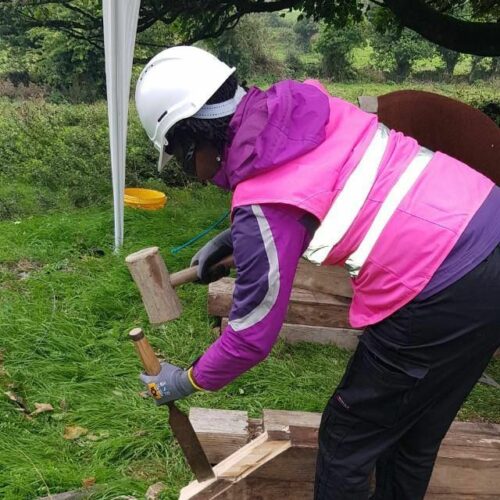
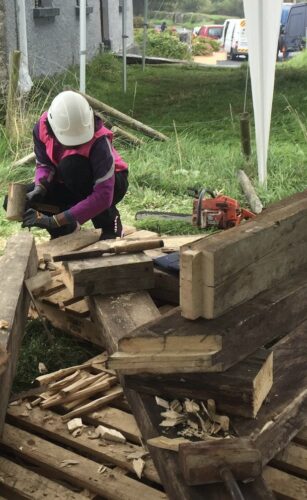
We used traditional tools and methods to repair or replace beams and supports. One of the most rewarding aspects of this work was shaping the replacement wood by hand, ensuring that each new piece fit seamlessly with the old, both structurally and aesthetically. This process required precision and patience, as we sought to honor the building’s original craftsmanship while strengthening it for the future.
2. Thatching: A Traditional Roofing Technique
One of the highlights of my time at An Cabhail Mhór was learning the ancient art of thatching, a roofing technique that has been used for centuries in Ireland. Thatch, made from reeds or straw, is not only an iconic feature of traditional Irish cottages but also an eco-friendly, sustainable roofing material that provides excellent insulation.
The process of thatching is as much an art form as it is a practical building technique. I learned how to carefully layer the reeds, securing them in place with wooden pegs and ropes to ensure that the roof would be both weather-resistant and durable. The technique relies on creating thick layers of thatch, which can shed water effectively while allowing the roof to “breathe”—a quality shared by the lime mortar we used on the stone walls.
Working with thatch gave me a deeper understanding of how traditional Irish buildings were constructed to withstand the local climate. The use of natural, locally sourced materials like reeds and wood highlights the sustainable practices that were inherent in traditional construction methods. These practices are now being revived as part of the broader movement toward sustainable building and heritage conservation.
3. Integrating Wood, Thatch, and Lime Mortar: A Holistic Approach
What struck me most during my time working on this project was how interconnected these traditional materials—wood, thatch, and lime mortar—are in the construction of historic buildings. Each material serves a specific purpose but also works in harmony with the others to create a structure that is not only strong and durable but also environmentally sustainable.
The wooden framework supports the roof and provides structural integrity, the thatch insulates and protects the building from the elements, and the lime mortar ensures that the stone walls are breathable and stable. This holistic approach to building, where every material is chosen for its specific properties and how well it complements the others, is something that modern construction often overlooks.
The process of integrating these materials also taught me about the importance of respecting the original construction techniques. Rather than replacing old materials with new, modern alternatives, we worked to restore and preserve the original materials wherever possible. This not only helps maintain the historical integrity of the building but also ensures that the structure can continue to age naturally and gracefully.
4. Challenges and Insights
As with any conservation project, there were challenges along the way. Thatching, for example, is a labor-intensive process that requires patience and skill, especially when trying to replicate the traditional techniques used centuries ago. The Irish weather, known for its unpredictability, also posed a challenge when working with materials like wood and thatch, which need to be protected from excessive moisture while they’re being installed.
Despite these challenges, the experience was deeply rewarding. Each step in the process, whether shaping wooden beams, layering thatch, or applying lime mortar, reinforced the idea that heritage conservation is about more than just preserving buildings—it’s about preserving the knowledge and skills that have been passed down through generations. By using these traditional methods, we are not only restoring An Cabhail Mhór but also keeping alive the cultural practices that built Ireland’s architectural legacy.
5. The Importance of Sustainability in Heritage Conservation
One of the key takeaways from this experience was the role that sustainability plays in heritage conservation. Traditional materials like wood, thatch, and lime are natural, renewable, and have a low environmental impact compared to modern building materials like concrete and steel. They are also perfectly suited to the climate and environment in which they are used, making them a natural choice for restoring historic buildings.
By using these materials, we are not only protecting the environment but also ensuring that the building can continue to “breathe” and function as it was originally intended. The sustainability of traditional materials and techniques offers valuable lessons for modern construction, showing us that sometimes the best solutions are those that have been around for centuries.
A Journey into the Heart of Irish Heritage
My time at An Cabhail Mhór in Killinaboy was a truly transformative experience. Working with hot-mixed lime mortar, wood, and thatch gave me a deeper appreciation for the craftsmanship, sustainability, and cultural significance that are at the heart of heritage conservation. These ancient materials and techniques are more than just tools for preserving buildings—they are living connections to the past, embodying the wisdom and traditions of those who came before us.
As I reflect on my experience, I am reminded that every conservation project is an opportunity not only to protect a building but to honor the people who built it and the culture it represents. The work we do today will ensure that future generations can experience the beauty, history, and craftsmanship of places like An Cabhail Mhór for many years to come.