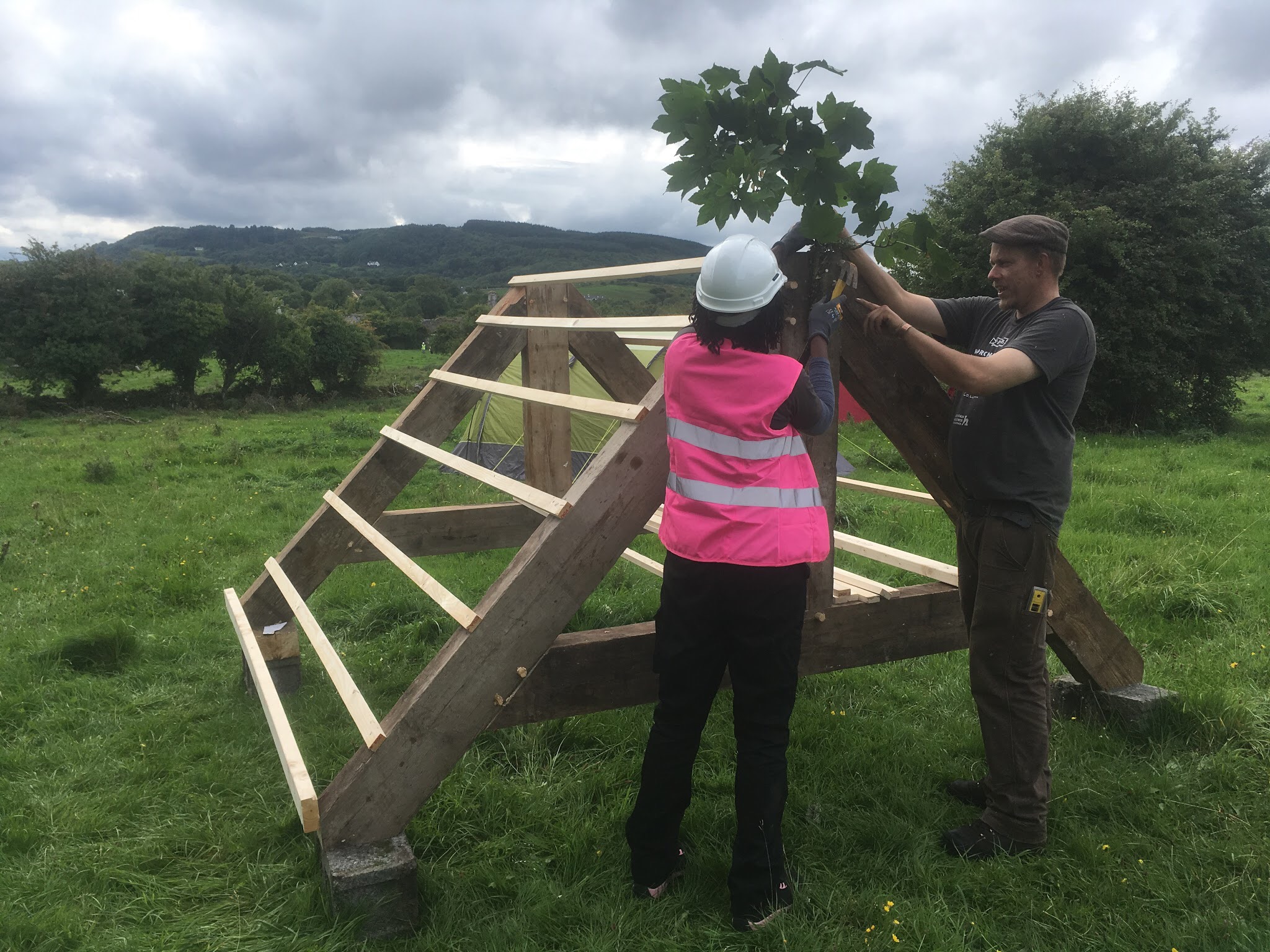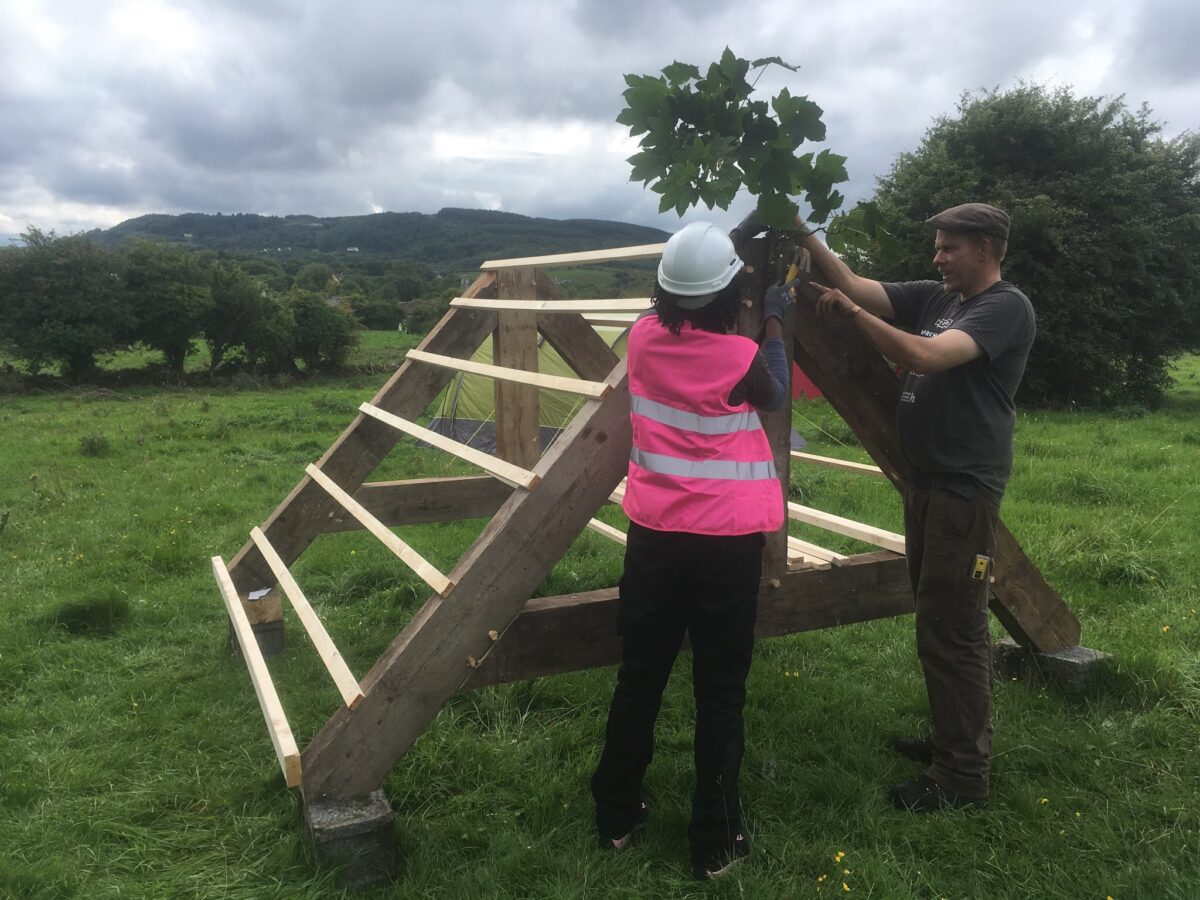

My Experience at An Cabhail Mhór, Killinaboy, Co. Clare – Hot-Mixed Lime Mortar and Conservative Repair of Stone Walls
September 6, 2018
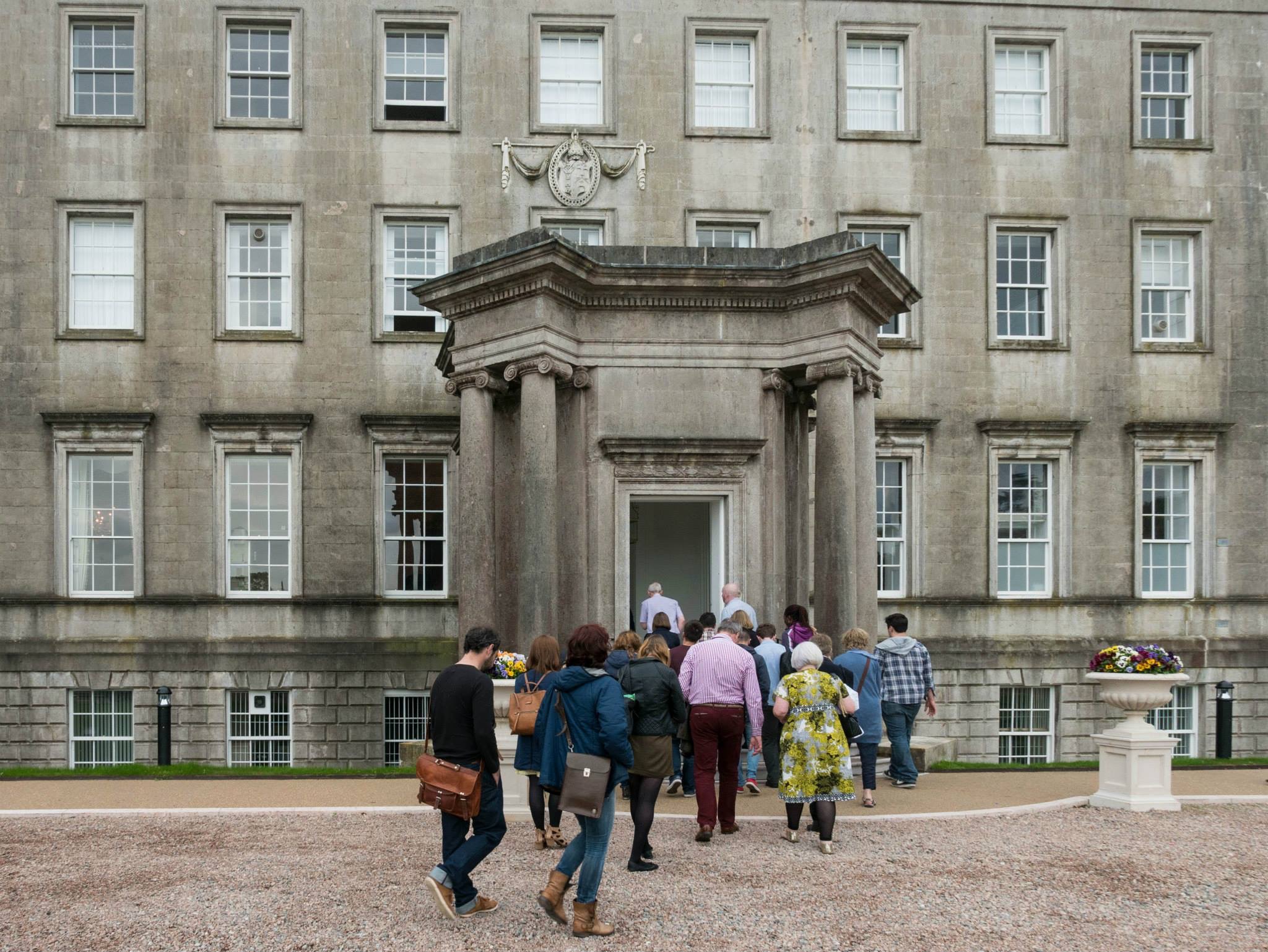
A Preliminary Walkthrough of The Premier Building at Hope Waddell Training Institute – A Structurally Distorted Wooden Prefabricated Building
June 6, 2021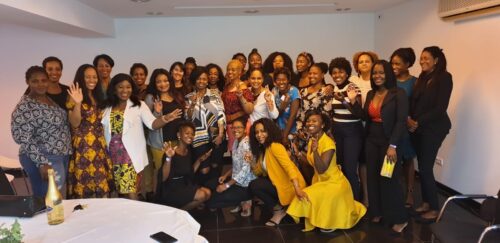
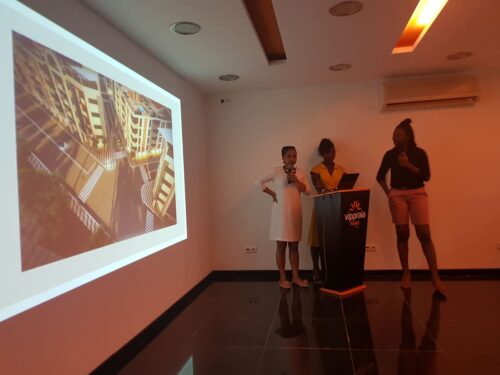
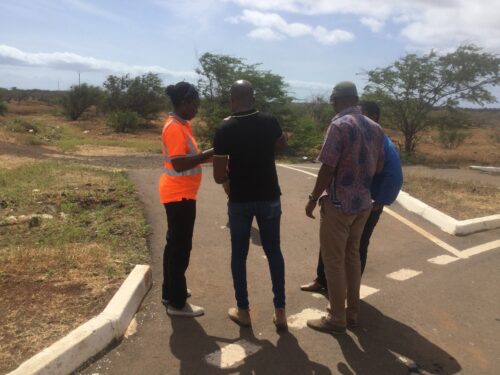
 Cape Verde, an archipelago in the Atlantic Ocean, is a place where history, culture, and the natural landscape merge to create a unique identity. My experience working in a Portuguese design studio in Cape Verde, particularly focusing on the city development plan for Praia, allowed me to dive deep into the island’s rich history, explore its breathtaking landscapes, and engage with the significance of its UNESCO World Heritage sites.
In this blog post, I’ll take you through my journey in Cape Verde, how the country’s history and landscape influenced our work, and the role UNESCO heritage plays in shaping the future of Praia, the capital of this vibrant island nation.
1. A Unique Design Context: Portuguese Influence and African Heritage
Cape Verde’s architecture and urban development reflect the island’s complex colonial history, which has been shaped by Portuguese influence over centuries. Working in a Portuguese design studio gave me the opportunity to engage with this architectural heritage while also integrating modern design practices into Cape Verde’s rapidly evolving urban landscape.
Praia, the capital of Cape Verde located on the island of Santiago, is a city where colonial-era buildings stand alongside modern structures. In our studio, we were tasked with a challenging but rewarding goal: to preserve the city’s historical identity while designing for a future that includes sustainable growth and development.
2. Incorporating UNESCO World Heritage Sites into the City Plan
One of the most significant aspects of our work was integrating Cape Verde’s UNESCO World Heritage sites into the development plan for Praia. Cape Verde’s UNESCO listings are a testament to the islands’ historical importance as a center for maritime trade, cultural exchange, and colonial history.
One such UNESCO site is Cidade Velha (Old Town), a historic city located a short distance from Praia. Cidade Velha is not only the oldest settlement in Cape Verde but also the first European colonial outpost in the tropics, having been founded in the late 15th century by Portuguese explorers. The town’s Ribeira Grande and Fortaleza Real de São Filipe are key landmarks that remind us of Cape Verde’s pivotal role in the transatlantic slave trade and European expansion.
Our design studio’s challenge was to ensure that any city expansion or development in Praia respected the historical significance of Cidade Velha while fostering a cohesive urban identity. By incorporating historical references into new urban projects, we aimed to create a seamless relationship between Praia’s growing urban areas and the surrounding heritage sites, allowing residents and visitors to experience the city’s past and present in tandem.
3. Respecting the Landscape and Natural Beauty
Cape Verde’s natural landscape is as awe-inspiring as its historical architecture. The islands are known for their rugged terrain, volcanic formations, and dramatic coastlines, which provide both challenges and inspiration for urban planners and designers. One of the most striking aspects of working on a city development plan in Cape Verde was the need to respect and incorporate the island’s natural beauty into our designs.
In Praia, the city’s coastal location is a major asset, offering panoramic views of the Atlantic Ocean. Our design strategy included ensuring that new developments did not disrupt these vistas, preserving open spaces where residents could enjoy the island’s natural surroundings. By emphasizing sustainable design, we aimed to minimize environmental impact while integrating green spaces into the urban fabric, allowing the natural landscape to remain a key feature of the city.
We also sought to protect natural landmarks from overdevelopment, ensuring that any urban expansion took into account the fragile ecosystems of Cape Verde’s coastline and volcanic interior. This commitment to environmental stewardship is especially important in Cape Verde, where climate change and rising sea levels pose a significant threat to the islands’ future.
4. Balancing Tradition and Modernity
Working in the Portuguese design studio, we constantly faced the challenge of balancing Cape Verde’s traditional architectural styles with the need for modern infrastructure and housing. Many of Praia’s older neighborhoods feature colonial-era houses with distinct Portuguese influences—whitewashed walls, colorful shutters, and tiled roofs. These features are integral to the island’s identity, and it was crucial that we preserved these styles while introducing new developments.
Our approach involved incorporating local materials and techniques into our designs, ensuring that new buildings respected the existing architectural language. At the same time, we had to address the growing demands of a modern city—affordable housing, improved transportation networks, and public services. The goal was to create an urban environment that respected tradition but also catered to the needs of a rapidly growing population.
5. A Deep Connection to History and Community
Throughout my time working in Cape Verde, I was struck by the deep connection between the island’s history and its people. The residents of Praia are proud of their city’s rich heritage, and this pride was evident in every aspect of the design process. Engaging with local stakeholders and communities was essential in shaping the development plan. We held numerous community workshops and consultations to ensure that the voices of local residents were heard and their concerns addressed.
Many of the people I spoke with emphasized the importance of preserving Cape Verdean culture, especially in the face of increasing tourism and urbanization. This feedback informed our design approach, reinforcing the need to protect historical sites, cultural traditions, and the spirit of the island while embracing the opportunities for growth and modernization.
6. The Future of Praia: Sustainable and Heritage-Centered Development
As Cape Verde continues to grow as a tourist destination and a regional hub in West Africa, the need for a comprehensive city development plan for Praia becomes even more pressing. Working on this project gave me a deep understanding of the importance of sustainable urban planning that respects the past while embracing the future.
Praia’s development must continue to be grounded in the city’s unique cultural and historical context, with a particular focus on UNESCO World Heritage sites like Cidade Velha. At the same time, modern infrastructure, housing, and green spaces must be developed in a way that promotes sustainability and protects the island’s fragile ecosystems.
By integrating Cape Verde’s natural landscape, architectural traditions, and historical heritage into the city’s future, Praia can become a model for other cities looking to balance rapid urbanization with the preservation of cultural identity and environmental sustainability.
A Journey of Heritage and Innovation
Working in a Portuguese design studio in Cape Verde was an unforgettable experience that allowed me to merge my passion for heritage conservation with the exciting possibilities of modern urban design. The landscapes and history of Cape Verde are woven into every part of the island’s identity, and it was a privilege to be part of a project that aims to shape the future of Praia while honoring the past.
The city development plan we worked on is not just about creating new buildings and infrastructure—it’s about creating a future where history, culture, and sustainability coexist harmoniously. For anyone interested in design, history, or the intersection of tradition and modernity, Cape Verde offers a unique and inspiring setting that leaves a lasting impact.